

Back Glass Repair: When to Fix vs Replace (Cost, Risk, and Customer Expectations)

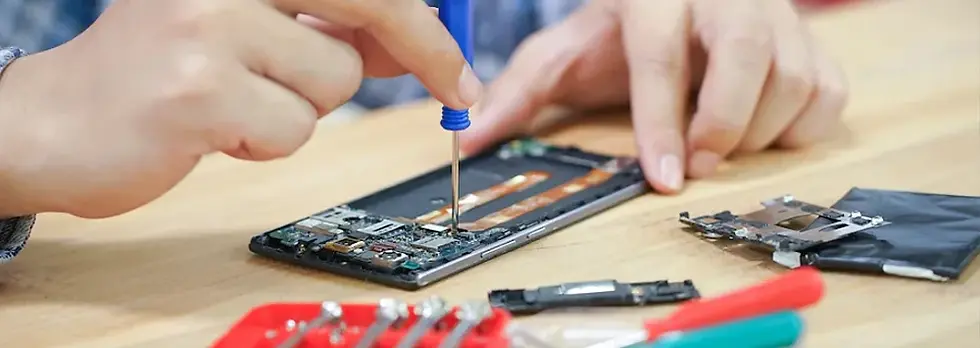
Back glass damage is one of the most common cosmetic repair requests in today’s smartphone market. Customers often assume it is a quick, low-risk fix because the phone still powers on and the front screen may look fine. In reality, back glass repair can range from a simple cosmetic job to a high-risk repair involving heat, adhesive, frame damage, camera protection, and extended labor time.
For wireless dealers, the goal is not just to complete the repair. It is to decide whether the job makes financial sense, whether the risk is acceptable, and whether the customer understands the tradeoffs before work begins.
Why Back Glass Jobs Need Careful Evaluation
Cracked rear glass is often treated like a minor issue, but these repairs can create hidden problems if the device is not evaluated properly first. A phone with back glass damage may also have:
Frame bending or housing damage
Camera lens damage or misalignment
Wireless charging issues
Loose internal components after impact
Water resistance loss
Sharp glass edges that create handling risk
That is why dealers should avoid quoting every back glass repair as if it were the same job.
When Back Glass Repair Makes Sense
In many cases, repairing or replacing the rear glass is reasonable when:
The phone is a newer or higher-value model
The frame is still straight and structurally sound
The camera area is intact or only lightly affected
The customer wants to improve resale value or appearance
The labor time still leaves enough margin after parts and risk
For premium devices, especially recent iPhone models, customers may accept a higher price if the phone is otherwise in strong condition.
When Replacement Is Better Than Repair
Sometimes the better answer is not to repair the back glass at all. Replacement of the full housing, device upgrade, or declining the job may be smarter when:
The frame is bent
The camera lens area is heavily damaged
There is additional front screen or internal damage
The phone is lower value and repair cost is too close to replacement value
The model has high labor complexity and low profit margin
The customer expects like-new water resistance after repair
If the total repair cost approaches the used market value of the phone, the customer should be told clearly that replacement may be the better financial decision.
Common Back Glass Repair Scenarios
1. Light cosmetic cracking
The phone works normally, the frame is clean, and the damage is mostly visual. These are usually the best candidates for repair if labor and parts are controlled.
2. Heavy shatter but no internal issues
The rear glass is badly broken, but cameras, charging, and housing alignment still check out. These jobs are repairable, but cleanup time and risk are higher.
3. Damage around the camera opening
This is where risk increases. Broken glass near camera lenses can lead to scratches, debris contamination, or alignment issues. Quote carefully and inspect thoroughly.
4. Back glass plus bent frame
This is often where a simple quote becomes a bad repair decision. If the housing is bent, a cosmetic back glass job may not restore proper fit or finish.
5. Back glass plus signs of liquid or impact damage
If the impact was severe enough to crack the rear glass, it may also have affected internal components. This requires a broader diagnostic conversation before approving repair.
What Drives Back Glass Repair Pricing
There is no one-size-fits-all price because the job depends on model, method, risk, and labor time. Dealers should price based on:
Device model: newer premium models usually justify higher pricing
Part cost: rear glass, housing, adhesive, camera lens rings, seals
Labor complexity: glass-only removal vs larger disassembly
Tooling: heat tools, separation equipment, cleanup supplies
Risk factor: chance of frame issues, camera damage, or extended cleanup
Warranty exposure: potential comeback or finish complaints
A good pricing structure includes parts + labor + risk buffer, not just parts + time.
Simple Pricing Framework for Dealers
Use a practical quote model:
Start with part and material cost
Add labor based on expected bench time
Add a complexity/risk fee for heavy shatter, camera-area damage, or difficult models
Adjust based on local market and device value
Example approach:
Basic back glass job: lower labor, lower risk
Heavy shatter job: higher labor and cleanup fee
Camera-area or frame-risk job: premium quote or decline
For parts sourcing, dealers can compare options through repair parts distributors and support bench workflows with repair equipment distributors.
How to Explain Risk to Customers
Back glass repairs often go wrong at the communication stage, not just the bench.
Customers may expect a perfect cosmetic result, fast turnaround, and full water resistance restoration. Dealers need to reset expectations before taking in the job.
Key points to explain clearly
Back glass damage may involve hidden frame or camera issues
Repair time can vary depending on adhesive removal and cleanup
Water resistance is not guaranteed after repair
Cosmetic improvement is the goal, but pre-existing damage may affect final appearance
Additional issues found during repair may change the quote
Simple customer script
“We can repair the back glass, but we want to be upfront that these jobs can involve hidden damage depending on how the phone was impacted. We’ll inspect the frame and camera area first, and if we find anything that changes the risk or cost, we’ll let you know before moving forward.”
How to Set Timeline Expectations
Customers often compare back glass repair to a screen repair. That can create problems. Depending on the model and repair method, rear glass jobs may take longer because of adhesive removal, cleanup, curing time, and inspection.
Do not promise same-speed turnaround unless your workflow supports it
Build in time for inspection, cleanup, and post-repair testing
Communicate delays early if additional damage is found
If your shop handles advanced diagnostics, tools from repair diagnostics distributors can help confirm related issues before release.
Warranty and Liability Considerations
Back glass repairs should have clear warranty limits. Most dealers should cover workmanship issues, but not unrelated failures, new impact damage, or unrealistic cosmetic expectations.
Cover installation workmanship for a defined period
Exclude new drops, pressure cracks, liquid damage, and unrelated component failure
Document pre-existing frame damage, camera issues, and housing gaps before repair
Have the customer approve the risk in writing when needed
When to Decline the Job
Not every repair is worth taking. Decline or redirect the job when:
The frame is too damaged for a clean result
The model is too labor-intensive for the price the customer will accept
The customer expects guaranteed water resistance
The phone has multiple impact-related issues that make the repair poor value
Your shop does not have the right tools or process for safe completion
Protecting your reputation is more valuable than forcing a risky repair through.
Final Thoughts
Back glass repair can be a strong add-on service for wireless dealers, but only when the job is quoted correctly, the risk is explained clearly, and the device is evaluated honestly. The best shops do not say yes to every cracked rear glass phone. They separate cosmetic wins from margin-killing headaches.
If you want better sourcing for rear glass parts, adhesives, and related tools, start with WDG categories for repair parts distributors, repair equipment distributors, and repair diagnostics distributors.


.webp)

Comments