

Partnering With Repair Vendors: Parts Sourcing, SLAs, and Quality Control

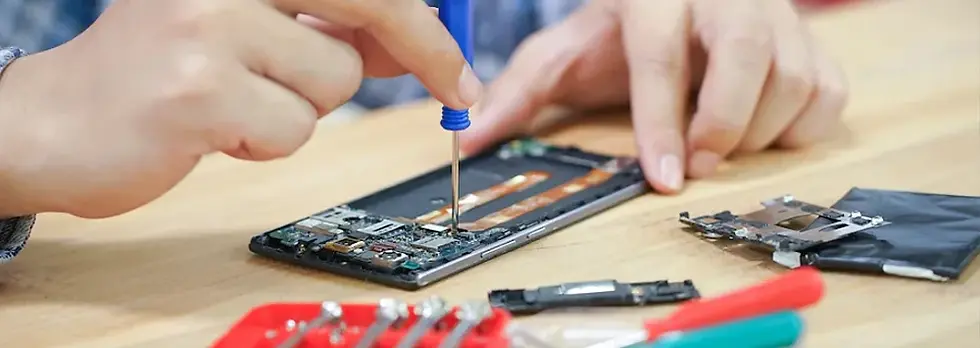
Most repair shops blame technicians when comeback rates rise. But a lot of “bad repairs” actually start earlier—with inconsistent suppliers, weak return policies, and no incoming quality control. If your parts are unreliable, even your best techs will look bad.
This guide gives wireless dealers a practical framework for repair parts sourcing: how to choose vendors, what SLA expectations to set, how to catch bad batches early, and how to build a quality control process that protects margins.
Why Supplier Quality Matters More Than Price Alone
The cheapest part is often the most expensive once you count:
Repeat labor on warranty returns
Refunds and discounts
Bad reviews and lost trust
Technician time spent redoing work
Inventory tied up in unusable stock
Dealer rule: buy for total outcome, not just invoice price.
What to Look for in a Repair Vendor
A strong repair supplier should give you more than parts. They should give you consistency.
Clear grading/quality definitions: OEM, premium aftermarket, refurb, pull, etc.
Operational website and real business presence: basic credibility matters
Fast response time: especially for DOA claims and batch issues
Written return/warranty policy: not “we’ll see what we can do”
Stable inventory: can they support your common models consistently?
WDG’s own vendor standards prioritize vetting and operational legitimacy before listing vendors in the directory.
The 5 Supplier Questions to Ask Before You Order Volume
What exactly is this part quality level? Ask for written definitions.
What is your DOA rate and claim window? Same day? 7 days? 30 days?
How do you handle bad batches? Credit, replacement, return label, or partial credit?
What is your shipping SLA? Same day cutoff, next-day options, backorder communication?
Do you track repeat defects by SKU or batch? Serious suppliers should.
Simple SLA Standards Dealers Should Expect
You may not need a formal legal SLA, but you do need clear service expectations. At minimum, define:
Order accuracy: correct model, color, carrier/version where relevant
Shipping speed: same-day or next-business-day processing cutoff
DOA handling: clear window for reporting dead-on-arrival parts
Defect resolution: replacement, credit, or refund timeline
Communication standard: response time for urgent issues
Dealer-friendly SLA example
Orders placed before 3 PM ship same day
DOA claims reported within 7 days qualify for replacement or credit
Batch defect issues acknowledged within 1 business day
Backorders communicated before shipment, not after
Incoming QC: Don’t Install Parts Straight From the Box
One of the easiest ways to reduce comebacks is to inspect parts before they hit a customer device.
Basic incoming QC checklist
Verify SKU/model/version matches the order
Check packaging condition and count accuracy
Inspect connectors, flex cables, and adhesive alignment
Look for cosmetic defects under bright light
Label by date received and supplier
For better testing workflows, keep your bench equipped through repair equipment distributors and repair diagnostics distributors.
How to Catch a Bad Batch Early
Bad batches usually show patterns. The key is noticing them before 20 installs become 20 headaches.
Track defects by supplier + SKU + date received
Flag repeated issues fast (touch failure, dim OLED, weak adhesive, battery drain)
Pause installs when the same issue appears twice on the same batch
Test one or two units from larger shipments before using all of them
Common bad batch warning signs
Multiple screens with the same brightness or touch issue
Batteries with inconsistent health or fast drain complaints
Charge ports that fit loosely or fail quickly
Adhesive/pre-cut seals that don’t align correctly
Create a Simple Supplier Scorecard
You don’t need fancy software. A spreadsheet is enough. Track:
On-time shipping rate
Order accuracy
DOA/defect rate
Claim resolution speed
Average part cost by category
Warranty comeback rate tied to that supplier
Dealer tip: the “best” supplier is usually the one with the lowest total headache rate—not the lowest price.
Set Internal Standards Before You Blame the Vendor
Not every failure is the supplier’s fault. Protect the relationship by controlling your side too:
Use a consistent install process
Train techs on model-specific risks
Run post-repair QC every time
Document whether the failure was part-related, install-related, or customer damage
When to Fire a Supplier
Some vendors deserve a second chance. Some don’t. Move on when you see:
Repeated bad batches with weak accountability
Slow or evasive responses on claims
Inconsistent quality definitions (“premium” means something different every order)
Frequent shipping mistakes or hidden backorders
Best Practice: Split Your Sourcing, Don’t Depend on One Vendor
Even a good supplier can have a bad week. Smart dealers usually keep:
Primary vendor: best overall consistency
Backup vendor: fills urgent gaps or backorders
Specialty vendor: hard-to-find models, premium parts, or advanced diagnostics
Final Thoughts
Great repair operations don’t happen by accident. They’re built on supplier standards, incoming QC, and fast action when quality slips. When you treat vendor management like part of your repair system, comeback rates drop and trust goes up.
To find vetted suppliers, start with repair parts distributors, support your bench with repair equipment distributors, and improve testing through repair diagnostics distributors.


.webp)

Comments