

Camera Specs Explained: What Actually Matters (Sensor Size, OIS, Aperture)

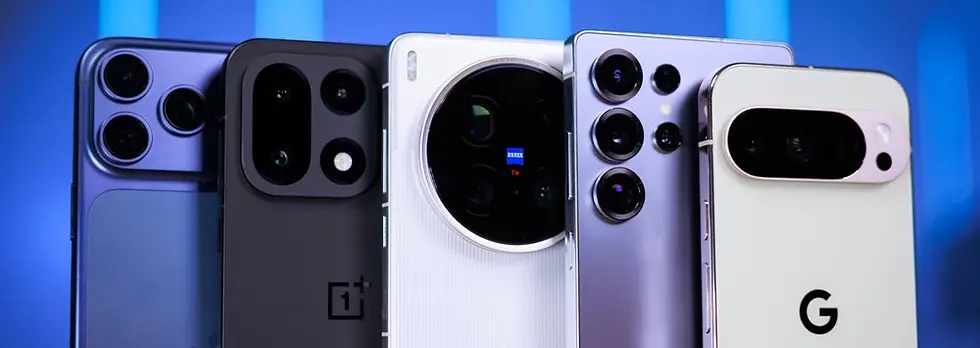
Customers see “50MP” or “200MP” and assume bigger number = better camera. Then they buy the phone and still complain about blurry night photos, shaky video, or “why does my kid look fuzzy indoors?” The truth is: megapixels are only one small piece. This guide breaks down camera specs explained in plain English—sensor size, OIS, and aperture—so dealers can match customers to the right phone and reduce camera-related returns.
The 20-Second Explanation (Dealer Script)
Sensor size: how much light the camera can capture (bigger usually helps in low light).
OIS (optical image stabilization): helps reduce blur from shaky hands, especially at night and in video.
Aperture (f-number): how much light the lens lets in (lower number usually means brighter photos).
Say it like this: "Megapixels are detail. Sensor size, OIS, and aperture are what make photos look good in real life."
Camera Specs Explained: Why Megapixels Are Not the Whole Story
Megapixels mainly affect how much you can crop or how large you can print. They do not automatically fix:
blurry photos indoors
grainy night shots
shaky video
slow focus on moving kids/pets
Most customers care more about low-light performance, sharpness, and stabilization than raw megapixels.
1) Sensor Size Explained (The “Low Light” Upgrade)
The sensor is the part of the camera that captures light. A larger sensor can usually capture more light, which helps with:
brighter night photos
less grain/noise indoors
better dynamic range (less blown-out highlights)
Customer-friendly line: "A bigger sensor is like a bigger bucket—it catches more light, so photos look cleaner in darker places."
Dealer tip
If a customer complains about “my photos look bad at restaurants” or “my kids are blurry indoors,” sensor size + stabilization matter more than megapixels.
2) OIS Explained (Why Photos Blur and Video Shakes)
OIS stands for Optical Image Stabilization. It helps the camera compensate for small hand movements. OIS is one of the biggest real-world upgrades for:
night photos (camera uses longer exposure, so shake matters more)
indoor photos
video stability (less “bouncy” footage)
zoom shots (shake is amplified when zoomed in)
Say it like this: "OIS is like built-in steady hands. It helps keep the picture sharp when lighting is not perfect."
3) Aperture Explained (The Lens “Light Door”)
Aperture is the opening in the lens that lets light in. It is shown as an f-number (like f/1.8 or f/2.2).
Lower f-number usually means more light enters the camera.
More light can help reduce blur and grain in darker scenes.
Customer-friendly line: "A lower f-number means the lens lets in more light, so photos can look brighter indoors."
What Else Matters (Quick, Dealer-Friendly)
Image processing (the “secret sauce”)
Two phones with similar camera hardware can look very different because of software processing. This affects:
skin tones
night mode quality
HDR (bright sky + dark faces)
portrait mode edges
Autofocus and shutter speed (kids and pets test)
If the customer takes photos of moving kids, pets, or sports, they need fast focus and fast capture more than extreme megapixels.
Front camera quality (selfies and video calls)
Many customers buy a phone for selfies and video calls. Remind them to test the front camera too.
Dealer Questions That Make the Recommendation Easy
"Do you take a lot of photos indoors or at night?" (sensor size + OIS matters)
"Do you take video a lot?" (OIS matters)
"Do you take photos of kids/pets moving?" (focus + shutter speed matters)
"Do you zoom a lot?" (OIS + lens quality matters)
Dealer Script: Explain Value Without Jargon
"If you want better real-life photos, look for a bigger sensor and OIS. That helps most in restaurants, indoors, and at night. Megapixels help with detail and cropping, but they do not automatically fix blur or low-light problems."
Need camera accessories dealers can recommend with confidence (tripods, gimbals, lens kits, lighting, mounts)? Browse our accessories directory.
Bottom Line for Dealers
Camera specs explained: sensor size, OIS, and aperture are the biggest real-world factors for sharper indoor/night photos and steadier video. Megapixels mainly help with detail and cropping.
Match the phone to the customer’s habits (night photos, video, kids/pets, zoom) and you will reduce “this camera isn’t good” returns.


.webp)

Comments